Co-Producing Bird Migration Curricula for Environmental Education in Central America
Spring 2027 - Department of Ecology, Evolution, and Environmental Biology
One of the goals of environmental education is to connect people with science, the natural world, and conservation. How can we design experiences that achieve these goals? And how can we evaluate their impact?
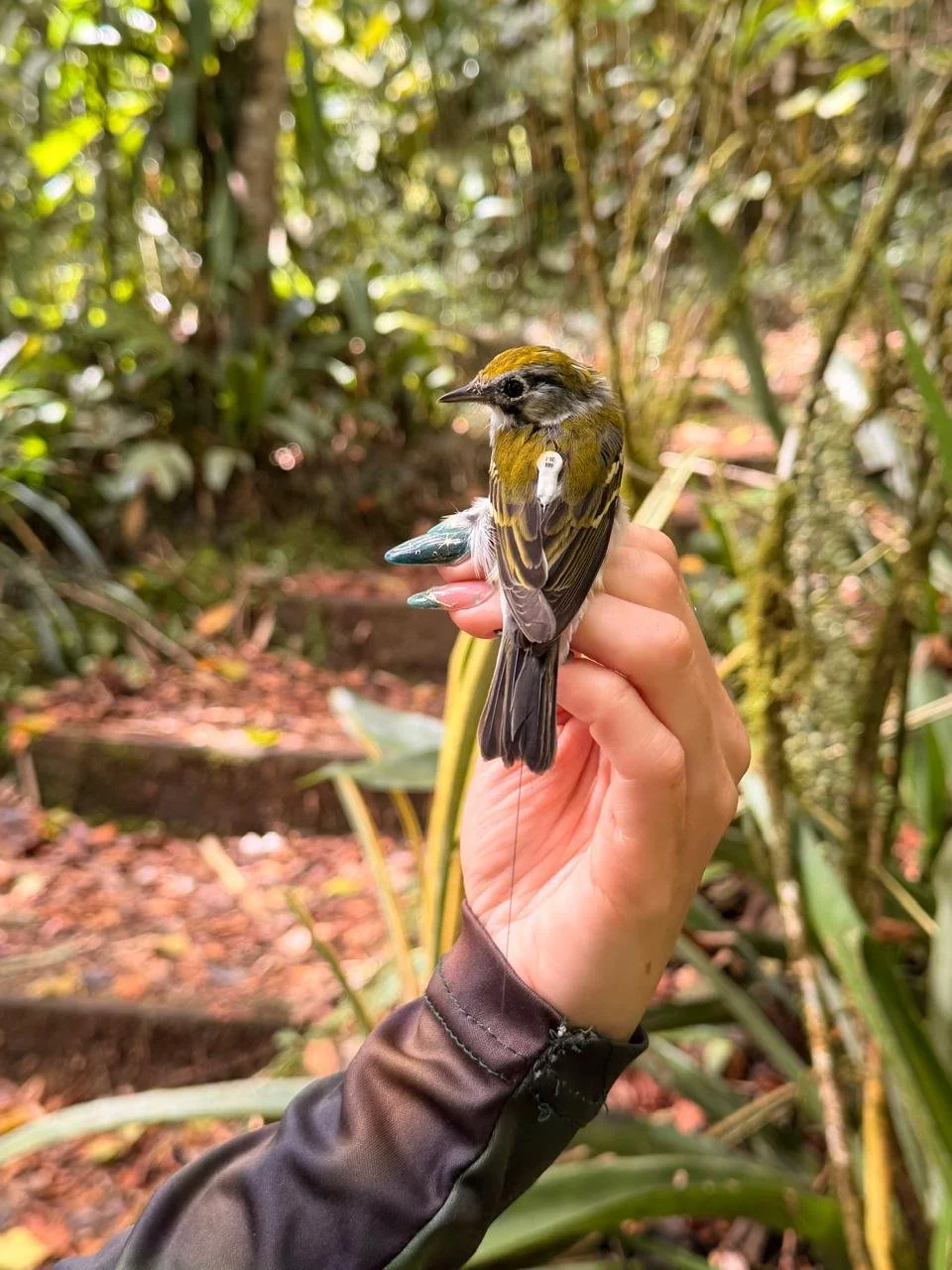
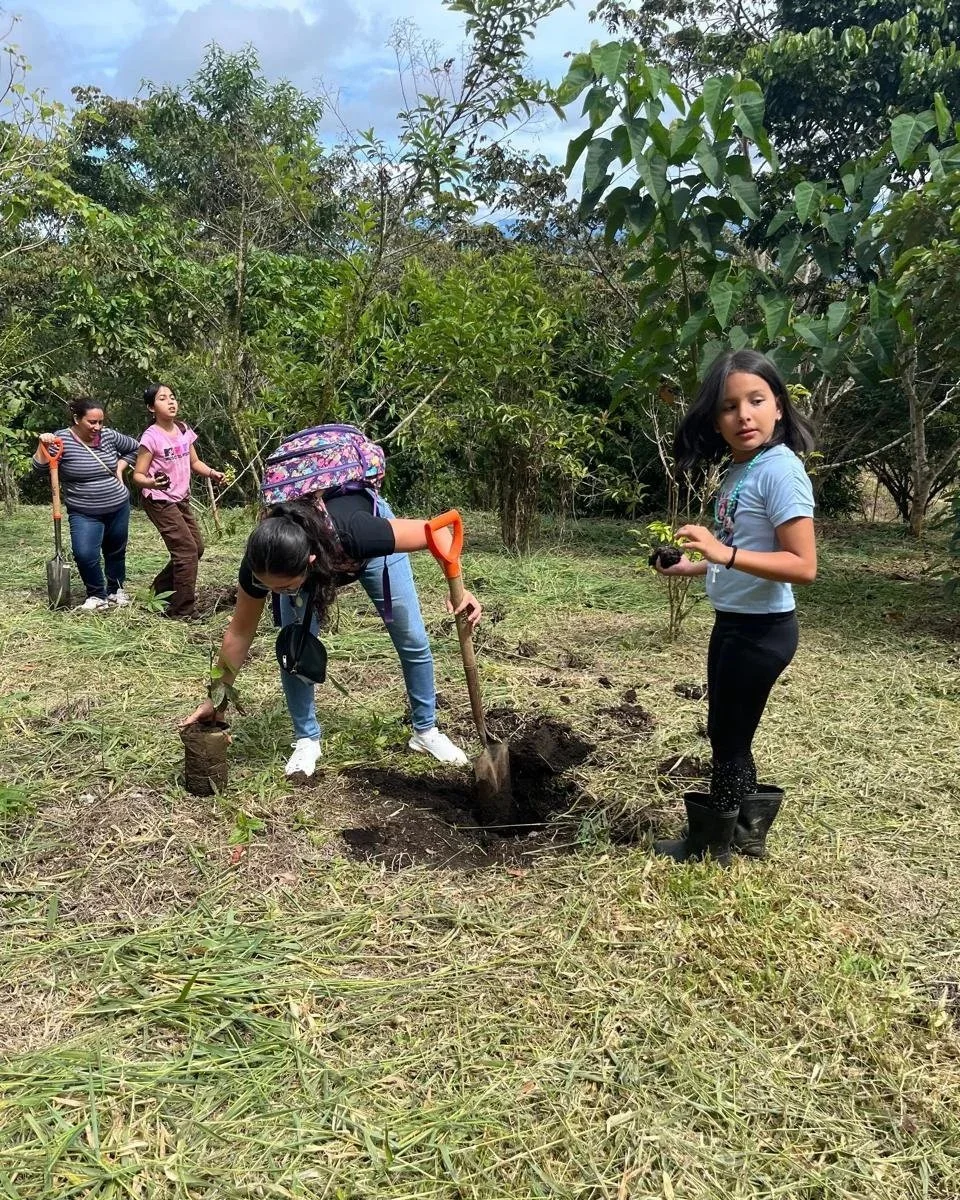
We will explore these questions in this course, using bird migration and habitat conservation as our scientific focus. The central project will involve working collaboratively with educators from an NGO in Costa Rica to design bilingual environmental education modules for elementary-aged students. These modules will include activities that draw on the latest approaches for studying migration, such as the Motus Wildlife Tracking System, and hands-on approaches to habitat restoration, such as tree planting. Over Spring Break, we will move from the classroom to the field, traveling to Costa Rica to implement and evaluate the modules with local students and educators.
We will also explore how these same questions are approached in very different educational settings in New York City. Specifically, field trips to the American Museum of Natural History and the Bronx Zoo will provide a different perspective on environmental education, giving students the opportunity to explore how major institutions engage diverse audiences with science and conservation.
Throughout the course, we will return to a larger question: how can scientists, educators, and communities work together to create environmental education that is scientifically rigorous, locally relevant, and genuinely useful? Reciprocal learning, ethical international engagement, and community-driven science are central to the experience.
-
The course will begin with eight weeks at Columbia, where students will learn about environmental education, curriculum design and assessment, bird migration, and habitat conservation. Working virtually with educators from FCEA in Costa Rica, students will design bilingual educational modules using these principles.
Over Spring Break, students will travel to Costa Rica to put their modules into practice. Back in New York, they will reflect on and evaluate their work. They will also visit the American Museum of Natural History and Bronx Zoo to explore how environmental education is designed and delivered in major informal learning institutions.
The course concludes with a final design studio, where students will use what they learned in Costa Rica and New York City to refine their modules before presenting their final work.
The main sources of evaluation will be weekly journals, the education units they put together as groups and in collaboration with Costa Rica educators, and reflections/assessments of how the implementation went and could be improved.
Readings will come from online scientific articles and several chapters from Krasny, M (2020). Advancing Environmental Education Practice. Cornell Press.tion
-
There are three instructors for the course.
Dr. Lilly Briggs, the Founder and Executive Director of the Finca Cántaros Environmental Association (FCEA), a nonprofit environmental education organization in rural Costa Rica. Dr. Briggs completed her PhD at the Cornell Lab of Ornithology where she adapted their BirdSleuth (Detectives de Aves) curriculum for use in Central America.
Dr. Anna MacPherson, the Associate Director of Educational Research and Evaluation at the American Museum of Natural History and an Adjunct Assistant Professor at Columbia University. MacPherson brings extensive expertise in science education research, curriculum development, and public-facing science education.
Dr. Kira Delmore, an Associate Professor in the E3B Department at Columbia University. Her research focuses on some of the main scientific topics we will cover in this course, including adaptation in birds, seasonal migration and conservation.
-
This course is for anyone who:
Is interested in ecology, conservation, environmental education, or science communication.
Wants to learn how science can be translated into educational experiences for different audiences and communities.
Is interested in gaining hands-on experience working with educators and communities in an international setting.
Wants to explore environmental education both locally in New York City and through fieldwork in Costa Rica.
-
Basic knowledge of Spanish and introductory biology course (e.g., EEEBUN2001, BIOLUN1004, BIOLBC1500).
-
We will travel to Finca Cántaros Environmental Association (FCEA) over Spring Break (Mar 13-20). The FCEA is a Costa Rican nonprofit based in San Vito that uses environmental education to connect local communities with nature and conservation. Birds and forest restoration are central to its hands-on educational programs, making FCEA a natural partner for developing and testing the bird migration and habitat conservation modules created in this course.
We will also integrate two day trips within NYC during this course. One to the American Museum of Natural History and another to the Bronx Zoo.
-
This will be a pilot year for the course. Together, we will work to develop a strong course at Columbia while developing educational materials that FCEA can continue to use in its ongoing programs.
We have secured funding to cover most costs associated with the field component. Students will be responsible for the cost of round-trip airfare between New York City and San José, Costa Rica. Students should be prepared to book their flights in early November 2026 so that the group can travel together on the same flights.
All students will be asked to register for GU4224 (4 credits) once their application has been approved.
-
Students will fly together to San José, Costa Rica, and travel by van to San Vito, approximately a six-hour drive. The journey is through mountainous terrain, and some roads in the area can be rough, so students should be prepared for a long, winding, and bumpy ride.
During our stay, we will be based in simple, shared accommodations at FCEA. Accommodations at the FCEA are rustic but include high-speed internet, as well as shared kitchen, bathroom and laundry facilities.
-
To apply, please send an email with the following details to Dr. Kira Delmore (ked2195@columbia.edu) and (include other emails here):
Your contact information
Your full name
Your telephone number
Your year at Columbia University or Barnard College
Intended major(s) or concentration(s) if known
Level of Spanish language knowledge
A summary of prior biology- and education-related courses or experiences
A summary of prior travel experience.
A description of why you wish to join the course
Any health, dietary or other concerns related to the international travel component
-
Clothing: Lightweight, breathable clothing suitable for a tropical climate, including long-sleeved shirts and long pants for being out in the field. While the days are generally warm (though it can be rainy and damp), the evenings get cool, so sweatshirts and cozy pyjamas are recommended.
FLASHLIGHT: see safety instructions
Footwear: Sturdy, comfortable hiking or rubber boots suitable for muddy, uneven terrain.
Rain gear: A good-quality rain jacket or poncho, umbrella, as well as a waterproof cover for electronics and other valuables.
Sun protection: A wide-brimmed hat, sunglasses and sunscreen.
Insect protection: Insect repellent and lightweight clothing that helps protect against mosquitoes and other insects.
Field supplies: A reusable water bottle, a small backpack, and a notebook and pens.
Personal items: Toiletries, a personal first-aid kit and any prescription medications.
-
Finca Cántaros is located in a rural area of southern Costa Rica, where there are venomous snakes and insects that can cause allergic reactions. Students must always use flashlights and stay on the trails if walking on the property at night, and use precaution when touching a tree or another plant.
Travel and transportation: students are not permitted to accept rides on motorcycles during their time here.
Health insurance: Interns must provide proof of valid travel medical insurance covering their entire stay in Costa Rica.
Fieldwork: Always wear appropriate footwear and protective clothing. Be mindful of uneven ground, slippery trails, steep slopes, wildlife and changing weather conditions.
Sun and heat: Drink plenty of water, wear a hat and apply sunscreen regularly. Take breaks when necessary, particularly during physically demanding activities.
Insects and wildlife: Use insect repellent, check for ticks after fieldwork and avoid touching or approaching wildlife, particularly snakes and insects
Emergencies: Inform FCEA staff immediately about injuries, illness, unsafe conditions or any other safety concerns.
Before travel, we will hold a required safety and logistics briefing covering transportation, field activities, communication, emergency procedures, health considerations, and expectations for group travel. Students will also be required to complete Columbia’s international travel requirements before departure.
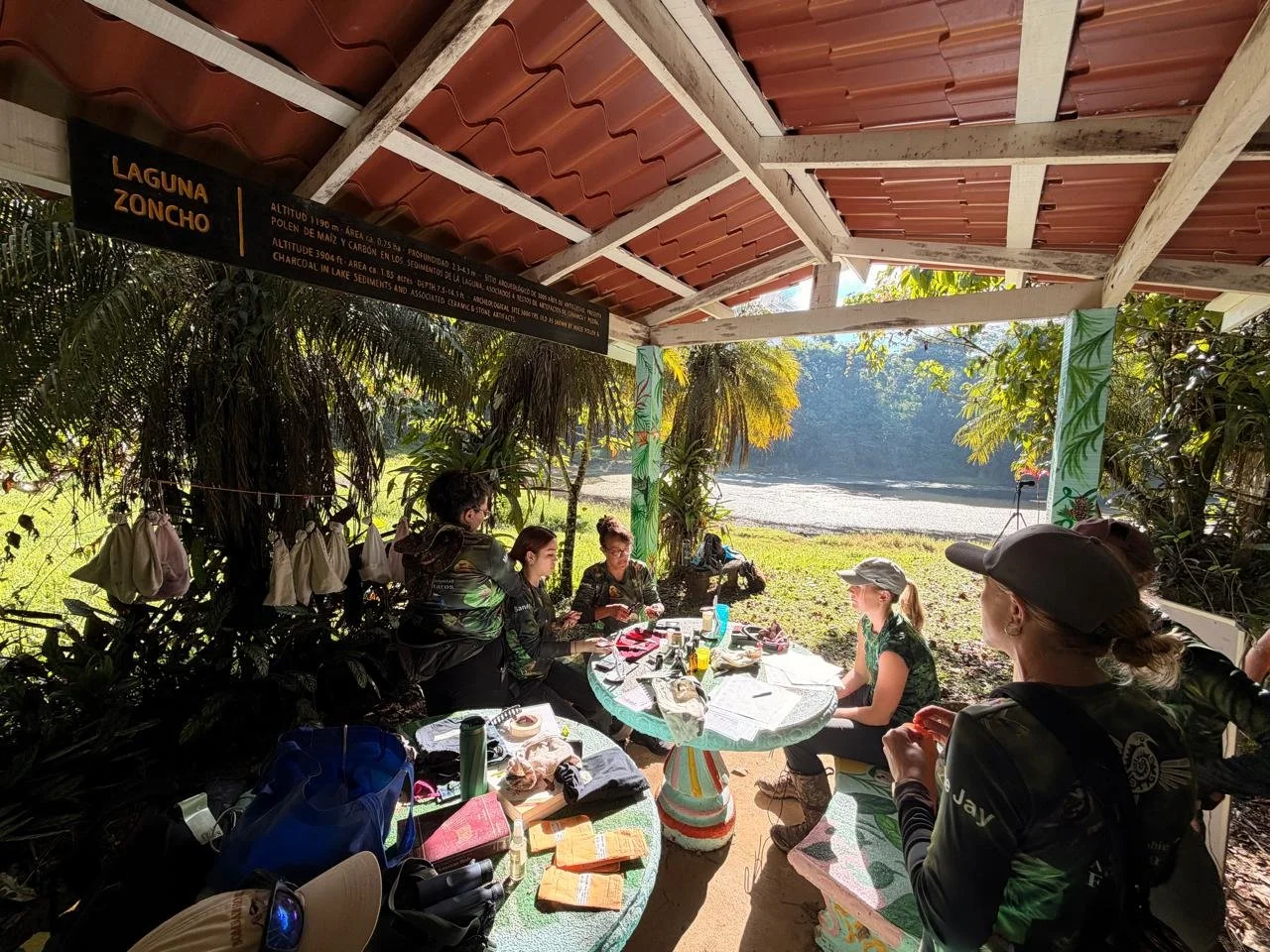
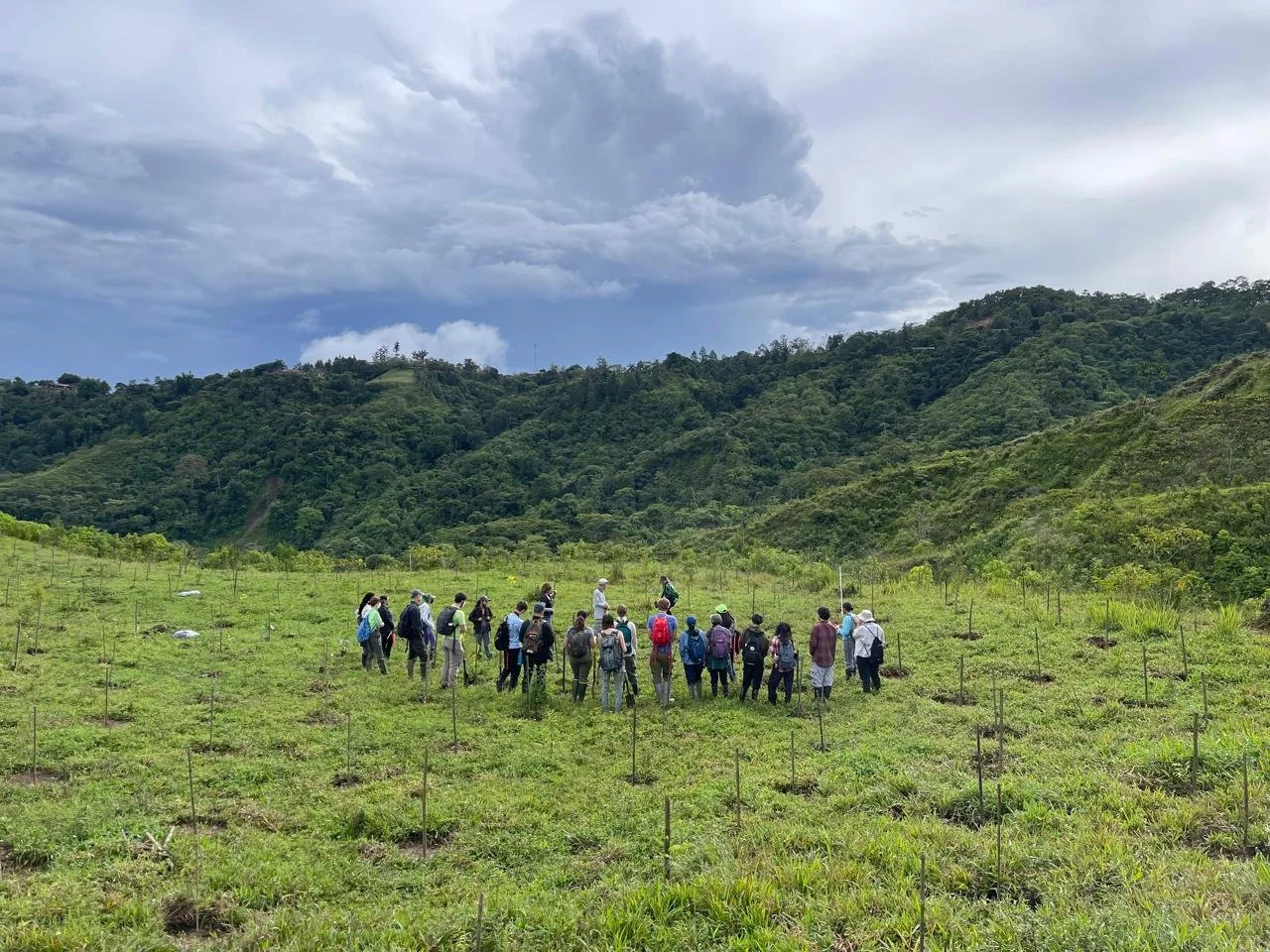
Photo credits: David Rodriguez